High-Quality Surfactants for Global Markets - Trusted Manufacturer


PRODUCT PARAMETERS
Description
Overview of Anionic Surfactant
Anionic surfactants are a class of surface-active agents characterized by their negatively charged hydrophilic (water-loving) head groups. These surfactants are widely used in various applications, including detergents, cleaning agents, and personal care products. They excel at removing dirt and oils due to their strong emulsifying and foaming properties. Common types include sodium lauryl sulfate (SLS) and linear alkylbenzene sulfonates (LAS).
Features of Anionic Surfactant
Emulsification: Effective at breaking down oils and fats into smaller droplets, making them easier to wash away.
Foaming Properties: Generate rich, stable foam that enhances cleaning efficiency.
Detergency: Strong ability to lift and remove dirt and grease from surfaces.
Solubility: Highly soluble in water, facilitating easy rinsing and dispersion.
Stability: Stable under a wide range of temperatures and pH levels, ensuring consistent performance.
Compatibility: Often compatible with other surfactants and additives, allowing for versatile formulations.
Cost-Effectiveness: Generally more affordable compared to other types of surfactants, making them popular in mass-market products.
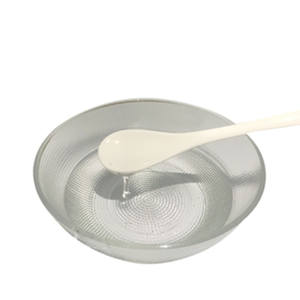
(CAS 68891-38-3//Sodium Laureth Sulfate//2eo Anionic Surfactant SLES 70% (2EO/3EO))
Specifications of CAS 68891-38-3//Sodium Laureth Sulfate//2eo Anionic Surfactant SLES 70% (2EO/3EO)
This is Sodium Laureth Sulfate 70%. Its CAS number is 68891-38-3. We call it SLES 2EO/3EO. This means it has an average of 2 to 3 ethylene oxide units per molecule. It’s a very common anionic surfactant. You’ll find it in many cleaning and personal care products.
The material looks like a clear or pale yellow viscous liquid. It feels thick and syrupy. Its active matter content is 70%. This makes it a concentrated form. You often need to dilute it before use. It mixes easily with water. This creates stable solutions.
SLES 2EO/3EO is a powerful cleaner. It works well to remove grease and dirt. It creates a lot of rich, stable foam. This foam feels smooth and creamy. People like this feel in shampoos and bath products. It also works effectively in hard water. That’s a big advantage.
Its main use is in personal care items. Think shampoos, shower gels, liquid soaps, and bubble baths. It’s also great for household cleaners. Dishwashing liquids and all-purpose cleaners use it. Industrial cleaners rely on it too. It helps wet surfaces and emulsifies oils.
This surfactant is popular for good reasons. It offers excellent cleaning and foaming. It’s generally gentle on the skin. Its cost is reasonable. Manufacturers find it easy to work with. It blends well with other ingredients like amphoteric or nonionic surfactants.
Handle SLES 70% with care. Wear suitable protective gear. Avoid contact with skin and eyes. Store it in a cool, dry place. Keep it away from strong oxidizing agents. Always check the Safety Data Sheet for full handling details.
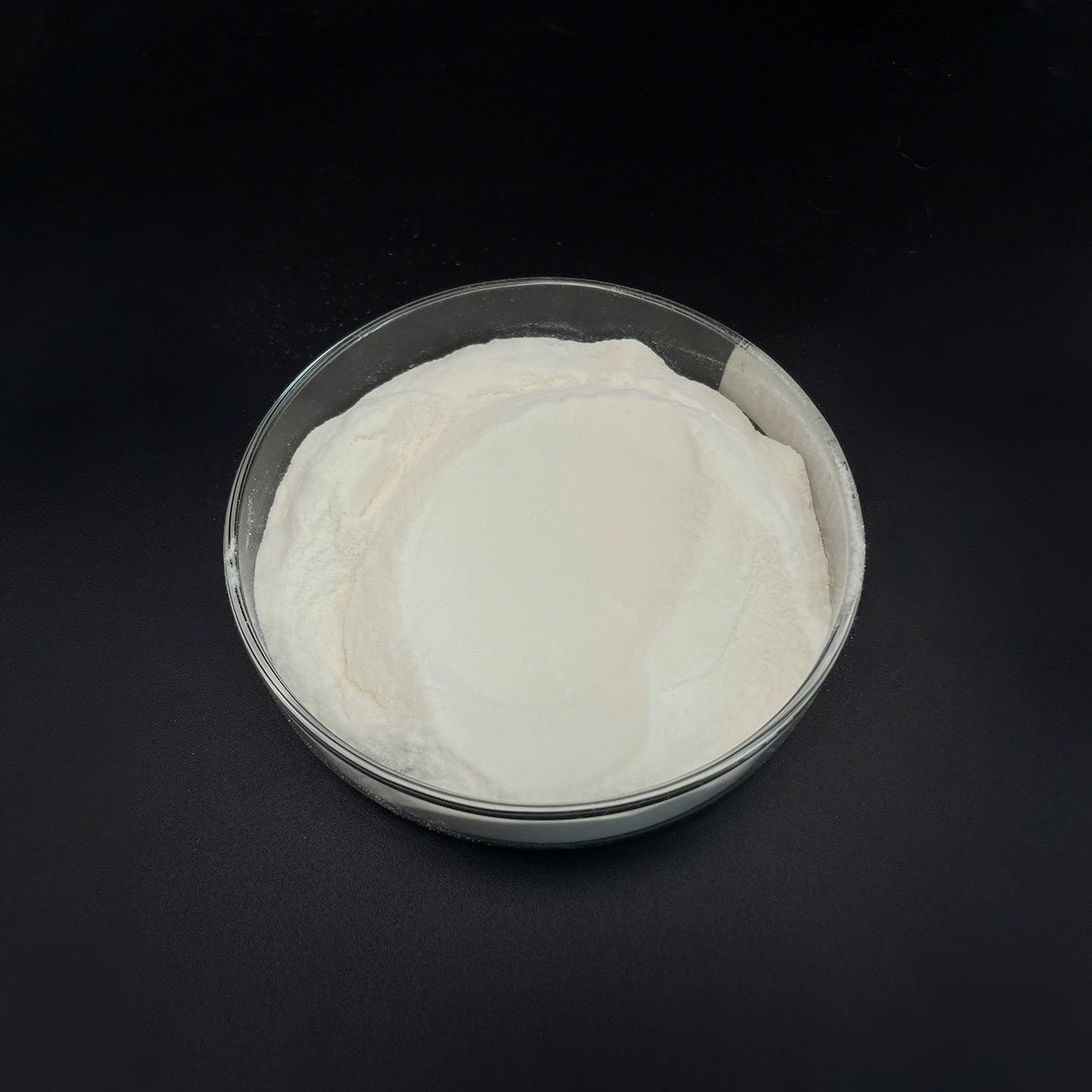
(CAS 68891-38-3//Sodium Laureth Sulfate//2eo Anionic Surfactant SLES 70% (2EO/3EO))
Applications of CAS 68891-38-3//Sodium Laureth Sulfate//2eo Anionic Surfactant SLES 70% (2EO/3EO)
This is Sodium Laureth Sulfate, known as SLES 70% (2EO/3EO). Its CAS number is 68891-38-3. It’s a common anionic surfactant. Surfactants help water mix with oils and dirt. This one is especially good at cleaning and making foam.
SLES 70% (2EO/3EO) works well in water. It’s stable across different pH levels. It rinses off easily. This makes it very popular in many cleaning products. You find it in things you use every day.
Shampoos and body washes often contain SLES. It creates a rich lather people like. It effectively removes oil and dirt from skin and hair. Hand soaps and bubble baths use it for the same reasons. It provides good cleaning power and lots of bubbles.
Household cleaners rely on SLES too. It’s a key ingredient in liquid dishwashing detergents. It cuts through grease on dishes. All-purpose cleaners use it to lift grime from surfaces. Car wash shampoos benefit from its foaming and cleaning action. It helps remove road dirt effectively.
Industrial applications exist as well. Textile processing sometimes uses SLES. It aids in scouring fabrics. Emulsion polymerization processes might include it. It helps stabilize the mixtures. Its ability to emulsify oils is useful here.
SLES 70% (2EO/3EO) is known for being cost-effective. It offers strong performance. It’s widely available. Manufacturers appreciate these qualities. It delivers reliable results in many formulations.
Company Introduction
Welcome to Robocup, a premier global supplier of high-quality surfactants. Our extensive range includes anionic, cationic, nonionic, and amphoteric surfactants, catering to industries such as personal care, textiles, cleaning, and industrial applications. With advanced manufacturing facilities and rigorous quality control, we ensure that our products meet the highest international standards. We pride ourselves on our commitment to innovation, sustainability, and customer satisfaction. Our dedicated team provides tailored solutions to meet your specific needs. Partner with us for reliable, high-performance surfactants that drive your business forward. Explore our offerings and discover the difference today.
If you have any questions, please feel free to contact us(nanotrun@yahoo.com).
Payment Methods
T/T, Western Union, Paypal, Credit Card etc.
Shipment Methods
By air, by sea, by express, as customers request.
5 FAQs of CAS 68891-38-3//Sodium Laureth Sulfate//2eo Anionic Surfactant SLES 70% (2EO/3EO)
What is Sodium Laureth Sulfate (SLES) 70%?
It’s a thick liquid surfactant. We make it by reacting lauryl alcohol with ethylene oxide. Then we sulfonate it. The “70%” means it’s 70% active ingredient. The rest is water. It’s a key ingredient for making foam and cleaning things. Many industries use it.
Why is the 70% concentration important?
70% active SLES is very common. It works well for manufacturers. It’s thick but you can still pump it easily. It mixes well with other ingredients. It saves money on shipping. You ship less water. You get more active material per drum. It’s also stable for a long time.
What does “2EO/3EO” mean?
“EO” stands for ethylene oxide units. The number tells you how many EO groups are attached to each molecule. SLES with 2 or 3 EO groups is common. Lower EO numbers (like 2) clean really well. Higher EO numbers (like 3) are a bit milder. Our product has a mix, mostly 2 or 3 EO. This gives good cleaning and is still gentle enough for many uses.
Is SLES 70% safe?
SLES is safe when used properly in final products. It’s a surfactant. All surfactants can irritate skin and eyes if you use them straight. Manufacturers always dilute it a lot in shampoos or cleaners. Then it’s fine. It meets major safety standards for cosmetics and cleaners. Always follow the handling instructions for the concentrated form.
Where is SLES 70% typically used?
You find it in lots of everyday products. Shampoo and body wash use it to make foam. Liquid hand soaps and dish liquids use it for cleaning power. Household cleaners use it. Industrial cleaners use it. Car wash soaps use it. It’s popular because it works well and costs less.
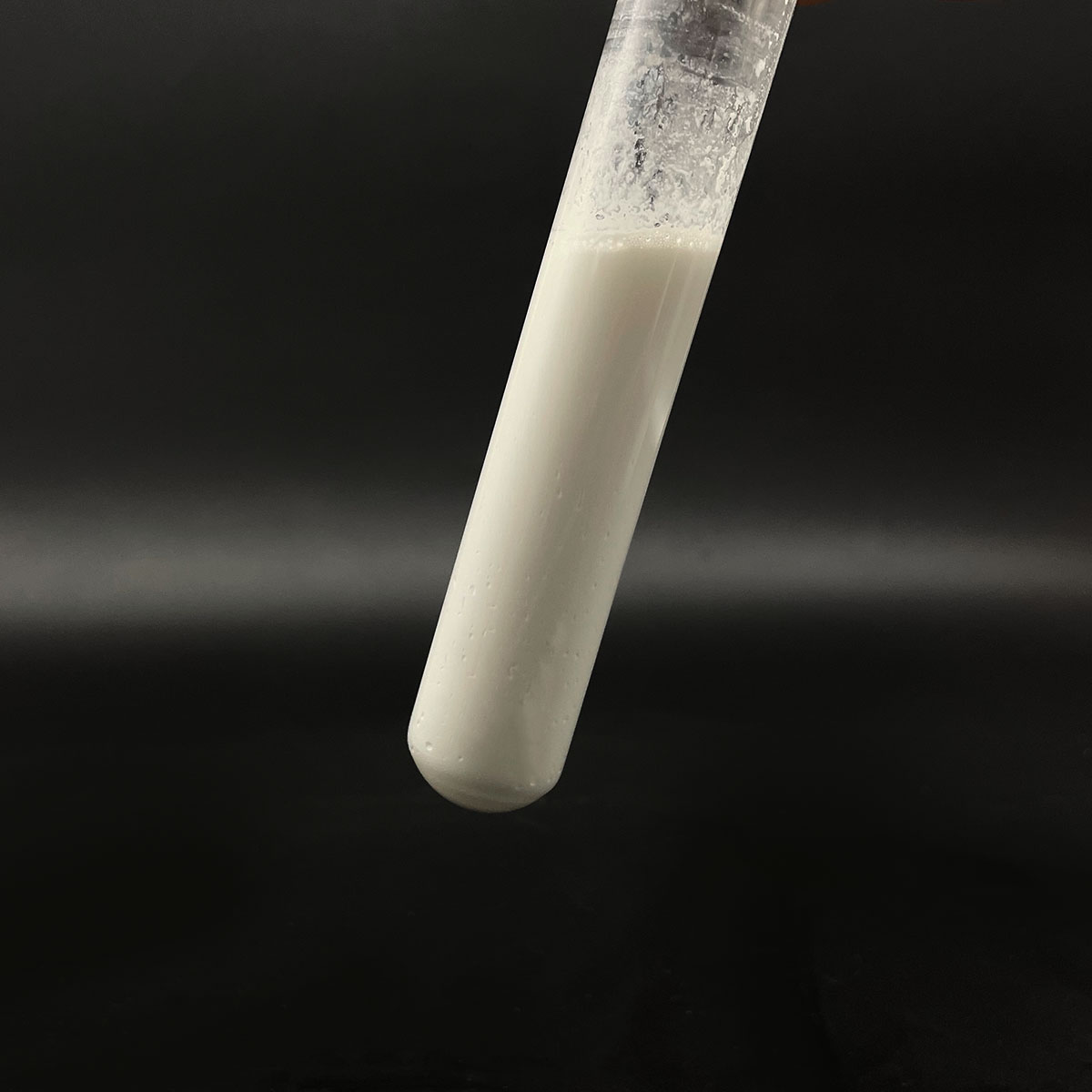
(CAS 68891-38-3//Sodium Laureth Sulfate//2eo Anionic Surfactant SLES 70% (2EO/3EO))
REQUEST A QUOTE
RELATED PRODUCTS

Sodium Lauryl Ether Sulfate SLES 70% Es Una Especie De Tensioactivo Anionico Con Excelente Rendimiento

Water Treatment Anionic Polyacrylamide PHPA China

Chemical LABSA Laurylbenzenesulfonic Acid Anionic Surfactant LABSA

CAS 68891-38-3//Sodium Laureth Sulfate//2eo Anionic Surfactant SLES Sodium Lauryl Ether Sulfate CAS SLES 70% in 170kgs Drums AES 70%
Apam Anionic Polyacrylamide Flocculant Magnafloc
