High-Quality Surfactants for Global Markets - Trusted Manufacturer

Key takeaways
- Natural surfactants are surface-active compounds derived from biological sources or biological production.
- They work by orienting hydrophilic and hydrophobic parts at interfaces to reduce surface tension.
- Common categories include biosurfactants, plant-derived surfactants and some animal- or marine-derived materials.
- Performance depends on pH, temperature, salinity and interactions with other ingredients.
- "Natural" is not a single regulatory or technical standard, so claims should be checked against the applicable definition.
What Are Natural Surfactants?
Natural surfactants are surface-active compounds that lower the surface tension between two media, such as water and oil, and that come from biological sources rather than petrochemical synthesis. The term covers two related groups: biosurfactants produced by microorganisms, and surface-active substances obtained from plants or animal-derived materials. What defines them is not one chemical structure but the combination of surface activity and biological origin.
Surface activity is a physical behavior, not a chemical family, so natural surfactants span several structural classes, including glycolipids, lipopeptides, phospholipids and saponins. The term therefore describes a functional category with a sourcing condition, not a precise molecular definition.
One practical way to read the term is to separate its two parts. "Surfactant" describes what the molecule does at an interface; "natural" describes where the material comes from or how it is produced. A substance that meets only one of these conditions is usually described differently.
How Natural Surfactants Work at Interfaces
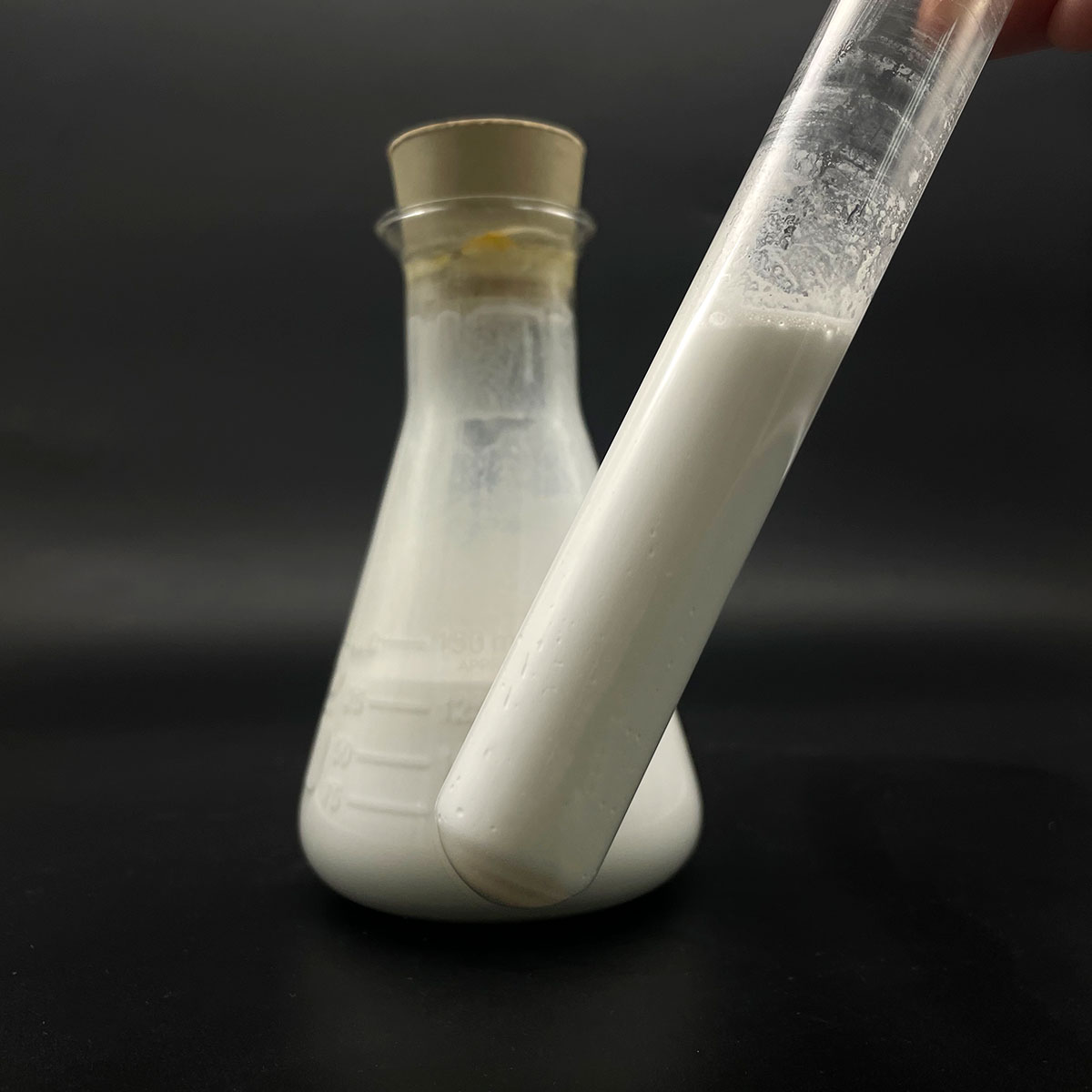
A surfactant molecule typically has a hydrophilic part that prefers water and a hydrophobic part that prefers oil or air. In a mixture of water and oil, these molecules migrate to the interface and orient themselves so that each part sits in the medium it prefers. This reduces interfacial tension and lets droplets disperse more readily.
This mechanism explains the practical behaviors associated with natural surfactants: emulsification, foaming, wetting and solubilization. The same structural principle applies whether the molecule is a synthetic surfactant or a biosurfactant; the difference lies in origin, production route and the accompanying impurity profile.
The behavior depends on conditions. Temperature, pH, salinity and the presence of other ingredients can change how a given natural surfactant performs, so a description of one is incomplete without the context in which it is used.
Main Types of Natural Surfactants
Natural surfactants are commonly grouped by structure and by source. The groups below are descriptive categories, and a single commercial material may combine features of more than one.
Biosurfactants are produced by microorganisms such as bacteria and yeasts. Common examples include glycolipids, lipopeptides and phospholipids. Because they are produced through fermentation, their composition can depend on the microbial strain and the growth conditions.
Plant-derived surfactants include saponins from plant materials and other surface-active extracts. These are obtained by extraction or processing of plant material rather than by microbial fermentation.
Animal-derived and marine-derived surface-active materials also exist, including certain phospholipids and other lipid-based substances. Their suitability depends on the application and on sourcing and regulatory considerations.
| Aspect | Description |
|---|---|
| Definition | Surface-active compounds that lower interfacial tension and are derived from biological sources or production |
| Core mechanism | Hydrophilic and hydrophobic parts orient at interfaces to reduce surface and interfacial tension |
| Common structural classes | Glycolipids, lipopeptides, phospholipids, saponins and other surface-active biological materials |
| Typical sources | Microorganisms via fermentation; plants via extraction; some animal- and marine-derived materials |
| Typical functions | Emulsification, foaming, wetting and solubilization |
| Key variables | pH, temperature, salinity and interactions with other formulation ingredients |
| Main contrast with synthetic surfactants | Biological origin and production route rather than chemical synthesis |
| Practical caveat | "Natural" is not a single technical or regulatory standard, and composition can vary by batch |
Natural Surfactants Compared With Synthetic Surfactants
The most common comparison is between natural surfactants and conventional synthetic surfactants such as those in the anionic and non-ionic families. The comparison is best made across several dimensions rather than treated as a single verdict.
Origin is the clearest difference. Natural surfactants come from biological sources or biological production, while synthetic surfactants are generally produced through chemical synthesis from petrochemical or other feedstocks.
Performance is application-dependent. Synthetic surfactants are available in well-defined structures and consistent grades, which supports predictable formulation. Natural surfactants can offer biodegradability and a biological sourcing story, but their performance and composition may vary more with production conditions.
Cost and supply also differ. Fermentation-based and extraction-based routes can carry different cost structures from large-scale chemical synthesis. The right choice depends on the formulation goal, the regulatory context and the acceptable variability.
Where Natural Surfactants Are Used
Natural surfactants appear in cleaning and personal care products, where emulsification, foaming and mildness are relevant. They are also explored in food, agriculture and environmental applications where biodegradability or biological origin is a consideration.
In each case, the suitability of a natural surfactant depends on the formulation conditions and on the required performance. A material that works well in one product format may behave differently in another because of pH, temperature or interactions with other ingredients.
For formulators, the practical question is not whether natural surfactants are better in general, but whether a specific natural surfactant meets the requirements of a specific application.
Limits and Practical Considerations
The term "natural" is not a single regulatory or technical standard. Its meaning can vary between markets and product categories, so a label claim should be checked against the applicable definition rather than assumed.
Natural surfactants can also vary in composition between batches, particularly fermentation-derived materials. This variability may require additional testing or specification work during formulation.
Finally, biological origin does not by itself guarantee a particular safety, performance or environmental outcome. Those properties depend on the specific substance, its concentration and its use conditions.
Frequently asked questions
Are natural surfactants the same as biosurfactants?
Not exactly. Biosurfactants are a subset of natural surfactants produced by microorganisms such as bacteria and yeasts. The broader term also covers surface-active materials obtained from plants or animal-derived sources.
Do natural surfactants work as well as synthetic surfactants?
Performance depends on the specific substance and application. Synthetic surfactants offer well-defined structures and consistent grades, while natural surfactants may vary more with production conditions. The appropriate choice depends on the formulation goal and required performance.
Why can natural surfactant composition vary between batches?
Fermentation-derived and plant-extracted materials can be affected by the producing organism, growth conditions or source material. This can lead to composition differences that may require additional specification or testing work.
Does "natural" mean the same thing in every market?
No. "Natural" is not a single technical or regulatory standard, and its meaning can vary between markets and product categories. A label claim should be checked against the applicable definition.


