High-Quality Surfactants for Global Markets - Trusted Manufacturer


PRODUCT PARAMETERS
Description
Overview of Anionic Surfactant
Anionic surfactants are a class of surface-active agents characterized by their negatively charged hydrophilic (water-loving) head groups. These surfactants are widely used in various applications, including detergents, cleaning agents, and personal care products. They excel at removing dirt and oils due to their strong emulsifying and foaming properties. Common types include sodium lauryl sulfate (SLS) and linear alkylbenzene sulfonates (LAS).
Features of Anionic Surfactant
Emulsification: Effective at breaking down oils and fats into smaller droplets, making them easier to wash away.
Foaming Properties: Generate rich, stable foam that enhances cleaning efficiency.
Detergency: Strong ability to lift and remove dirt and grease from surfaces.
Solubility: Highly soluble in water, facilitating easy rinsing and dispersion.
Stability: Stable under a wide range of temperatures and pH levels, ensuring consistent performance.
Compatibility: Often compatible with other surfactants and additives, allowing for versatile formulations.
Cost-Effectiveness: Generally more affordable compared to other types of surfactants, making them popular in mass-market products.
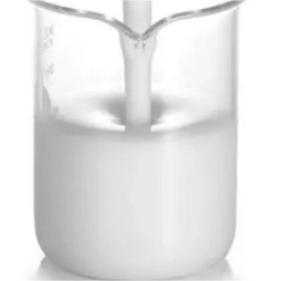
(Anionic Surfactant SLS Detergent SLS CAS 151-21-3)
Specifications of Anionic Surfactant SLS Detergent SLS CAS 151-21-3
Anionic Surfactant SLS Detergent (CAS 151-21-3) is a sodium lauryl sulfate compound. It acts as a cleaning agent and emulsifier. The chemical formula is CH₃(CH₂)₁₁OSO₃Na. The product appears as white or light-yellow powder or crystals. It dissolves easily in water. The pH of a 1% aqueous solution ranges from 9.5 to 11.5. The active matter content typically exceeds 92%. The moisture content stays below 2.5%. The melting point falls between 204-207°C. It works well in acidic and alkaline conditions. It stays stable under normal temperatures.
This surfactant lowers water surface tension effectively. It creates rich foam. It removes grease and dirt efficiently. People use it in household cleaners, shampoos, and toothpaste. It works in industrial settings too. It helps in textile processing and metal degreasing. It serves as an ingredient in fire extinguishers. It aids emulsion polymerization in latex production.
Handle the product with care. Avoid direct contact with skin or eyes. Wear gloves and goggles during use. Store it in a dry, ventilated area. Keep it away from heat and moisture. Use sealed containers to prevent clumping. Follow local regulations for disposal.
The product comes in 25 kg woven bags with inner polyethylene liners. Custom packaging options exist for bulk orders. Check the batch number and expiry date before use.
Manufacturers test the product for purity and performance. They use HPLC and titration methods. Quality certificates include ISO 9001 and REACH compliance. The product meets standards for cosmetics and detergents. It contains no phosphates or heavy metals. It biodegrades faster than many surfactants.
Production involves sulfonation of lauryl alcohol. The process includes neutralization with sodium carbonate. The final product undergoes thorough drying and sieving. Particle size distribution ensures consistent performance.
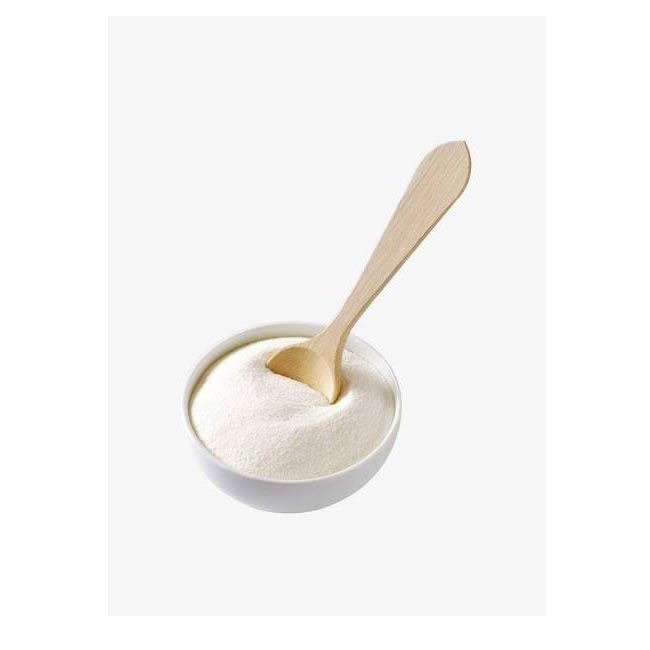
(Anionic Surfactant SLS Detergent SLS CAS 151-21-3)
Applications of Anionic Surfactant SLS Detergent SLS CAS 151-21-3
Anionic surfactant SLS detergent (CAS 151-21-3) is a widely used chemical compound. It works well in cleaning products. The compound dissolves in water easily. It creates foam. It removes dirt and grease effectively. These properties make it valuable in many industries.
Household cleaning products often contain SLS. It is common in laundry detergents. It helps break down oils on fabrics. Dishwashing liquids use it to cut through food residues. Surface cleaners rely on it for removing stains. Its foaming action improves user experience.
Personal care products use SLS as a key ingredient. Shampoos and body washes include it. It generates lather to cleanse skin and hair. Toothpastes use it to distribute ingredients evenly. It helps remove plaque. Cosmetic products like facial cleansers depend on its degreasing ability.
Industrial applications benefit from SLS. Textile manufacturing uses it to process fibers. It ensures even dye distribution. Agricultural chemicals use it as a wetting agent. It helps pesticides spread on plant surfaces. Metal cleaning solutions include SLS to remove grease from parts.
Pharmaceuticals employ SLS in some formulations. It acts as an excipient in tablets. It aids drug dissolution. Topical creams use it to improve absorption. Its emulsifying properties stabilize medicinal products.
SLS is used in firefighting foams. It forms a blanket over flammable liquids. This prevents oxygen contact. It suppresses fires quickly.
The automotive industry applies SLS in car wash solutions. It lifts dirt from vehicle surfaces. Engine cleaners use it to dissolve oil buildup.
SLS is compatible with many additives. It works with preservatives and fragrances. This flexibility supports product customization. Manufacturers adjust formulas for specific needs.
Safety guidelines must be followed when handling SLS. Direct contact with concentrated forms can irritate skin. Proper dilution is necessary for consumer products.
SLS remains cost-effective for large-scale production. Its versatility ensures steady demand. Ongoing research explores new applications. Environmentally friendly variants are under development.
Company Introduction
Welcome to Robocup, a premier global supplier of high-quality surfactants. Our extensive range includes anionic, cationic, nonionic, and amphoteric surfactants, catering to industries such as personal care, textiles, cleaning, and industrial applications. With advanced manufacturing facilities and rigorous quality control, we ensure that our products meet the highest international standards. We pride ourselves on our commitment to innovation, sustainability, and customer satisfaction. Our dedicated team provides tailored solutions to meet your specific needs. Partner with us for reliable, high-performance surfactants that drive your business forward. Explore our offerings and discover the difference today.
If you have any questions, please feel free to contact us(nanotrun@yahoo.com).
Payment Methods
T/T, Western Union, Paypal, Credit Card etc.
Shipment Methods
By air, by sea, by express, as customers request.
5 FAQs of Anionic Surfactant SLS Detergent SLS CAS 151-21-3
What is SLS detergent?
SLS stands for Sodium Lauryl Sulfate. It is an anionic surfactant. This chemical compound has the CAS number 151-21-3. SLS is widely used in cleaning products. It works by lowering water’s surface tension. This helps dissolve oils and dirt. It creates foam in shampoos, soaps, and detergents.
Where is SLS detergent commonly used?
SLS is found in household and industrial cleaners. Examples include laundry detergents, dishwashing liquids, and hand soaps. Personal care products like toothpaste and shower gels also use it. Industrial applications include car wash soaps and machine cleaners. Its ability to remove grease makes it popular.
Is SLS detergent safe for skin?
SLS can cause skin irritation in some people. This depends on concentration and exposure time. Most products dilute SLS to safe levels. Prolonged contact with undiluted SLS may dry or irritate skin. Follow usage instructions. Patch-test products if you have sensitive skin.
How should SLS detergent be stored?
Store SLS in a cool, dry place. Keep it away from heat and direct sunlight. Use airtight containers to prevent moisture absorption. Avoid storing near strong acids or oxidizers. Proper storage ensures stability and extends shelf life.
Does SLS harm the environment?
SLS breaks down in water and soil under normal conditions. It is biodegradable but requires proper wastewater treatment. High concentrations in water systems can affect aquatic life. Follow local disposal guidelines. Use eco-friendly alternatives if environmental impact is a concern.
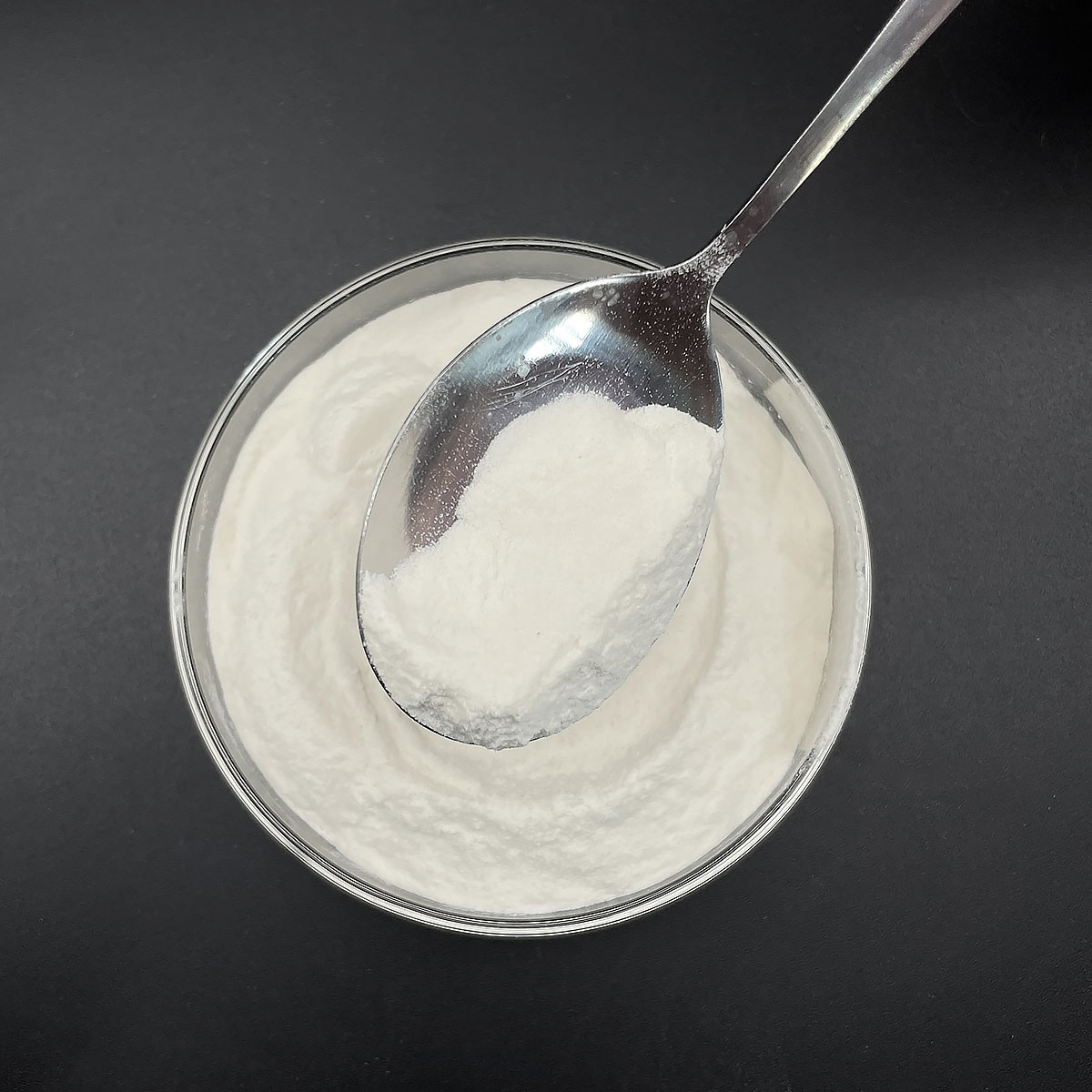
(Anionic Surfactant SLS Detergent SLS CAS 151-21-3)
REQUEST A QUOTE
RELATED PRODUCTS

Anionic Surfactants for Sodium Alpha-Olefin Sulfonate (AOS) / Sodium Linear Alpha Olefin Sulfonate

CAS 68891-38-3//Sodium Laureth Sulfate//2eo Anionic Surfactant SLES 70% (2EO/3EO)

Best Anionic Polymer PAM PHPA of High Molecular Weight

Anionic Surfactant Needle SLS (Sodium Lauryl Sulphate) K12 92% CAS 151-21-3
CAS 68891-38-3//Sodium Laureth Sulfate//2eo Anionic Surfactant SLES 70% Packaged in 170kgs Drums CAS 68585-34-2 / 68891-38-3 / 9004-82-4
